Thesis project: Dynamic 3D chromatin architecture of active and inactive regions and gene regulation of Drosophila under heat stress
if load the figures slowly, please click the link to read its pdf format
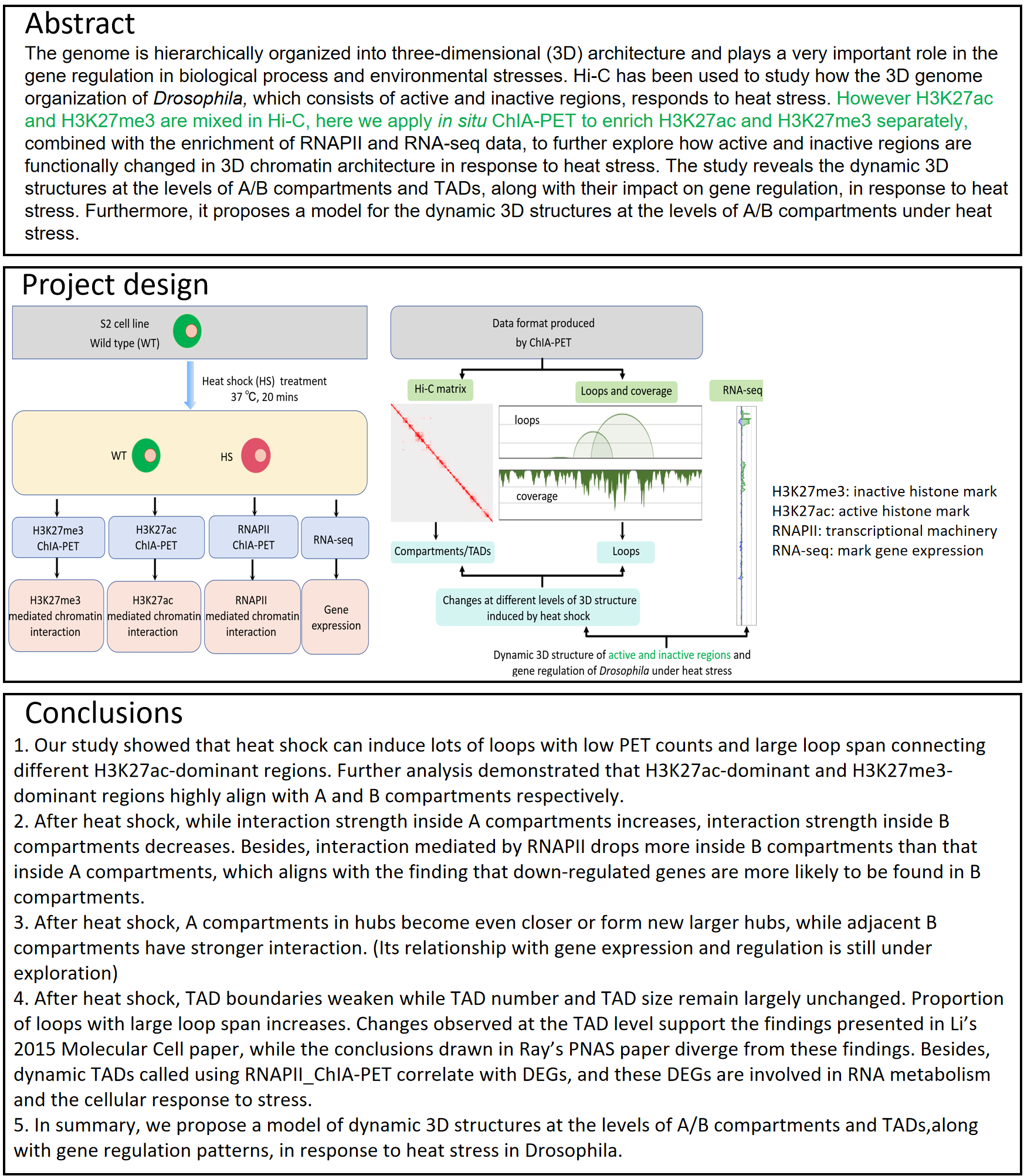
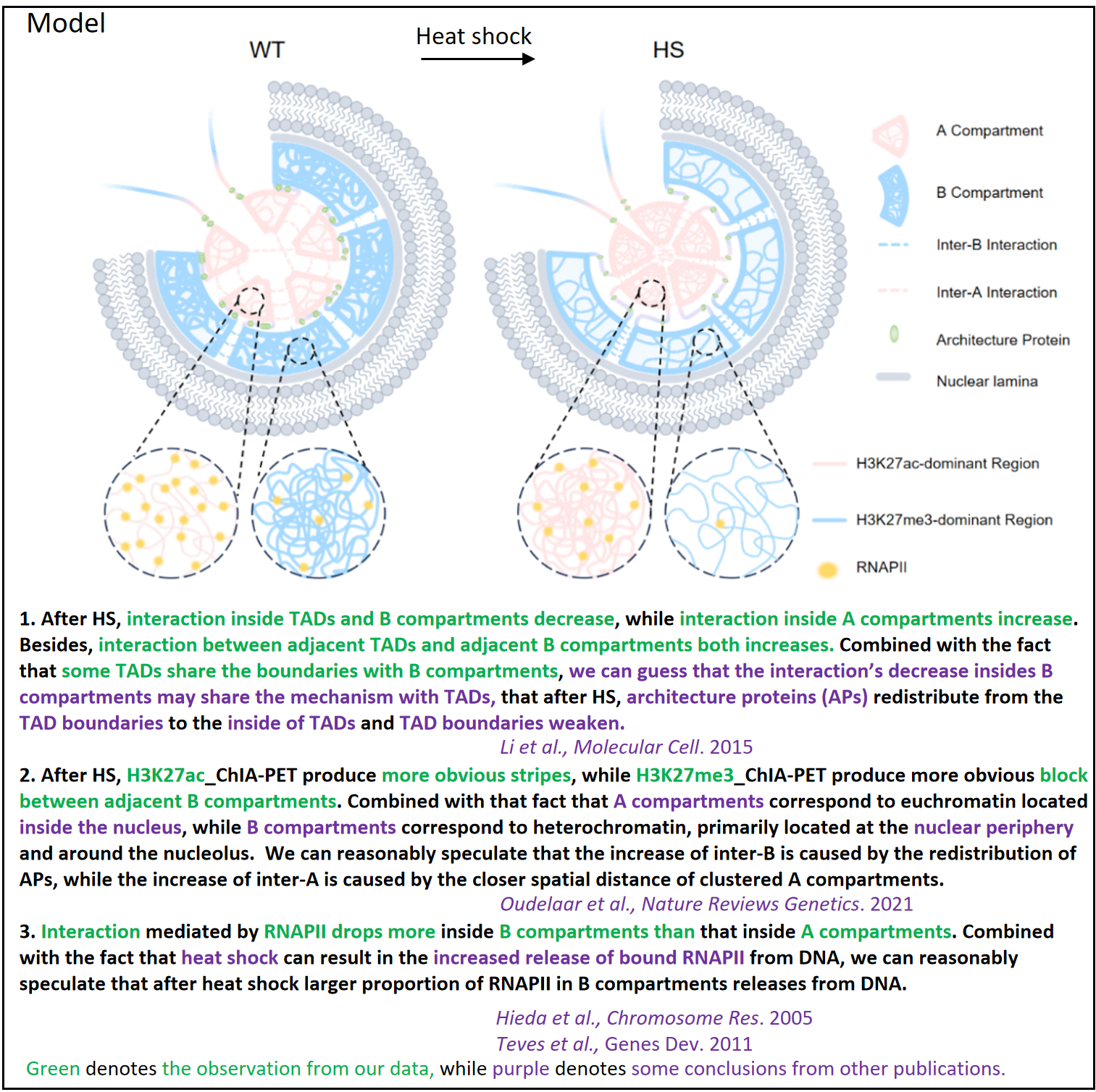
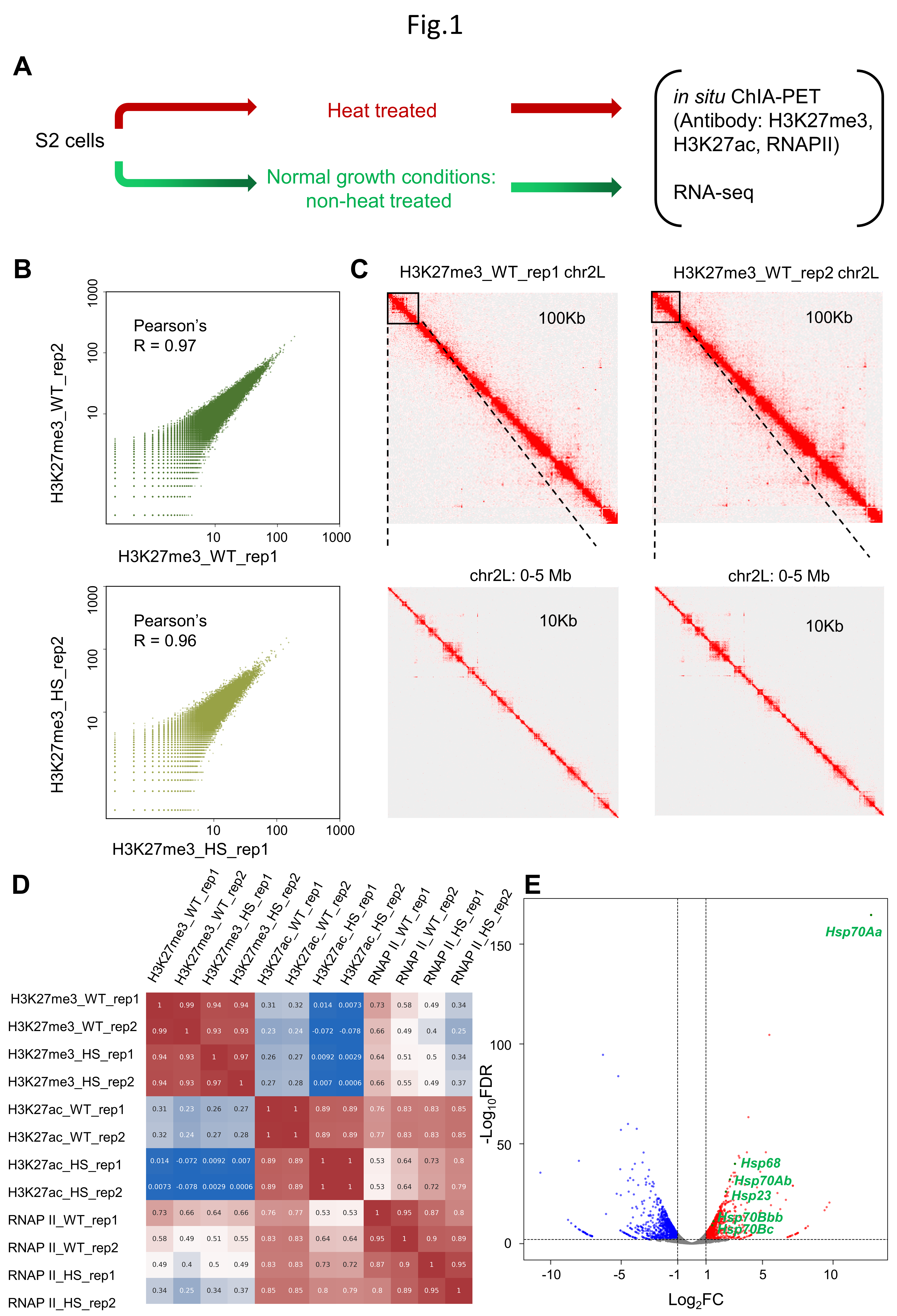
Fig.1 and Fig.S1 (Experiment design and good data quality)
- The experiment design (Fig.1A)
- High reproducibility (Fig.1B,C,D and Fig.S1A,C)
- Typical heat shock related genes are up-regulated (Fig.1D and Fig.S1B)
Fig1
FigS1
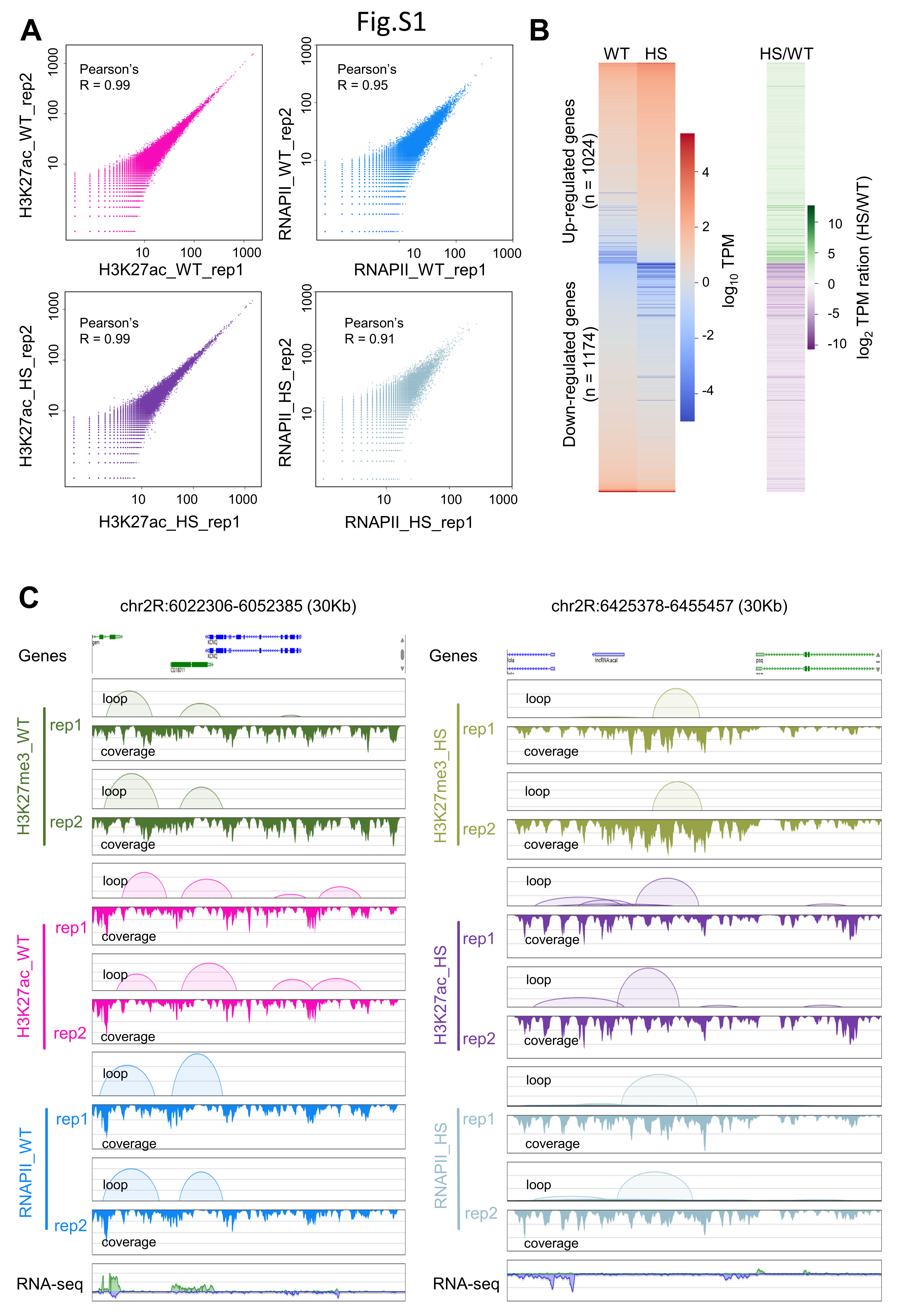
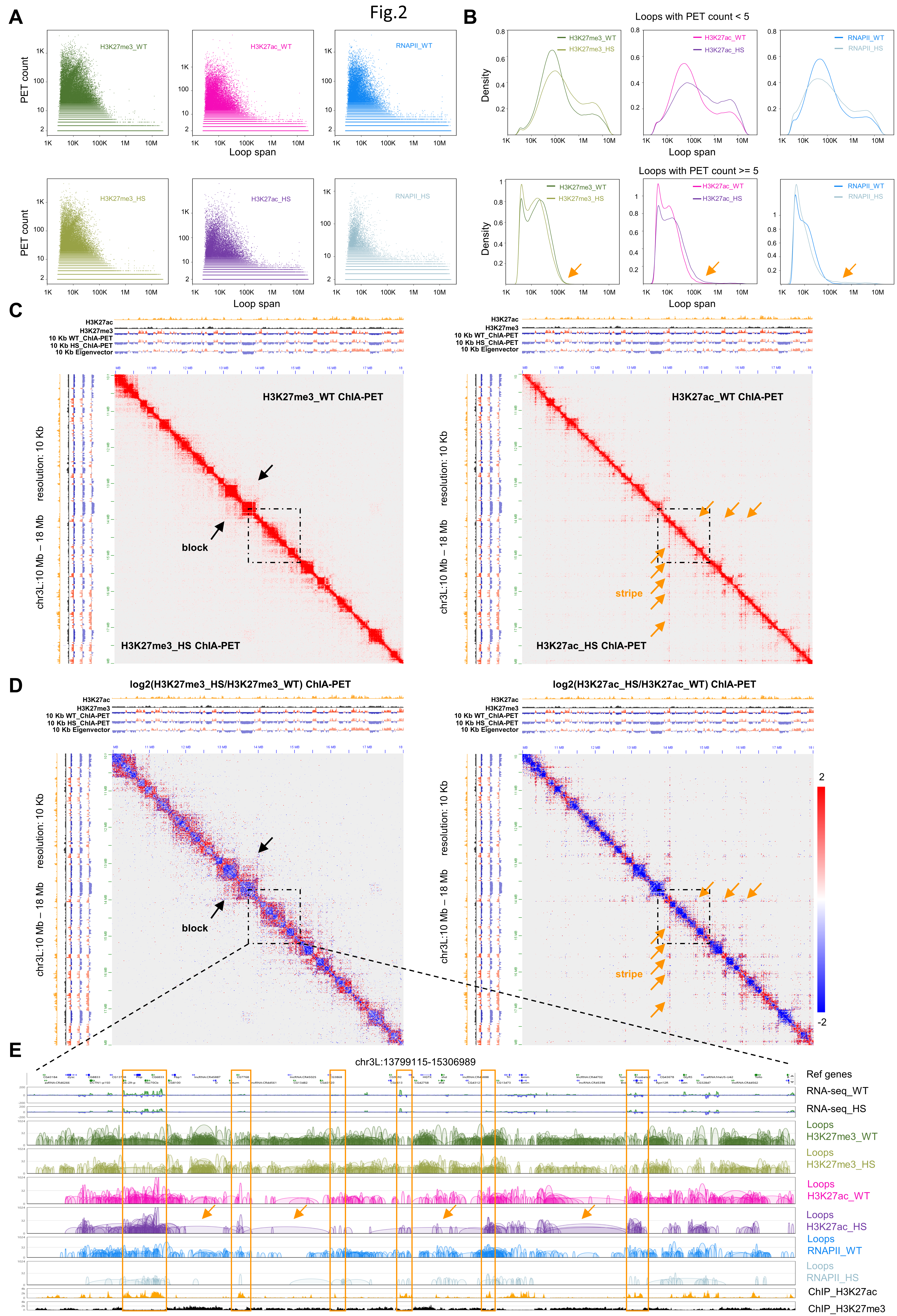
Fig.2 and Fig.S2 (The most interesting features blocks in H3K27me3 and stripes in H3K27ac are found through loop analysis)
- Loop analysis indicates there is something interesting(Fig.2A,B and Fig.S2A,B).
- Find the most interesting features: blocks in H3K27me3 and stripes in H3K27ac.And A/B compartments highly align with H3K27ac-dominant and H3K27me3-dominant regions respectively, which also correspond the positions of stripes and blocks. Besides, the stripes and blocks become more obvious, and the pattern of RNAP2 is more similar to that of H3K27ac than H3K27me3 (Fig.2C,D,E and Fig.S2C,D,F)
- A/B compartments called using log2(H3K27ac_ChIA-PE/H3K27me3_ChIA-PE) align with those identified using PCA method overall, but in some positions, A/B compartments called using log2(H3K27ac_ChIA-PE/H3K27me3_ChIA-PE) align better with the stripes and blocks. (Fig.S2C,D,E)
Fig2
FigS2
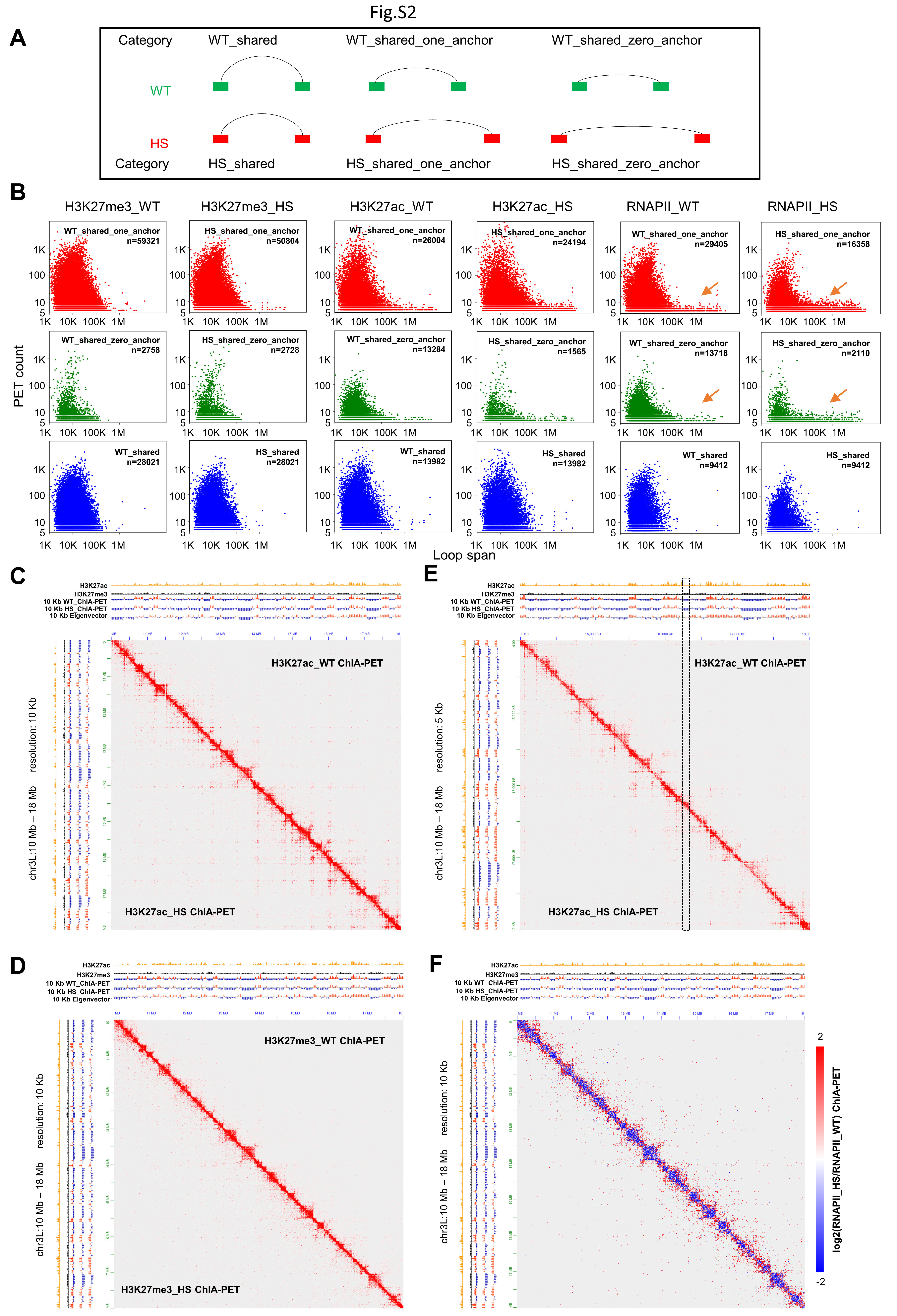
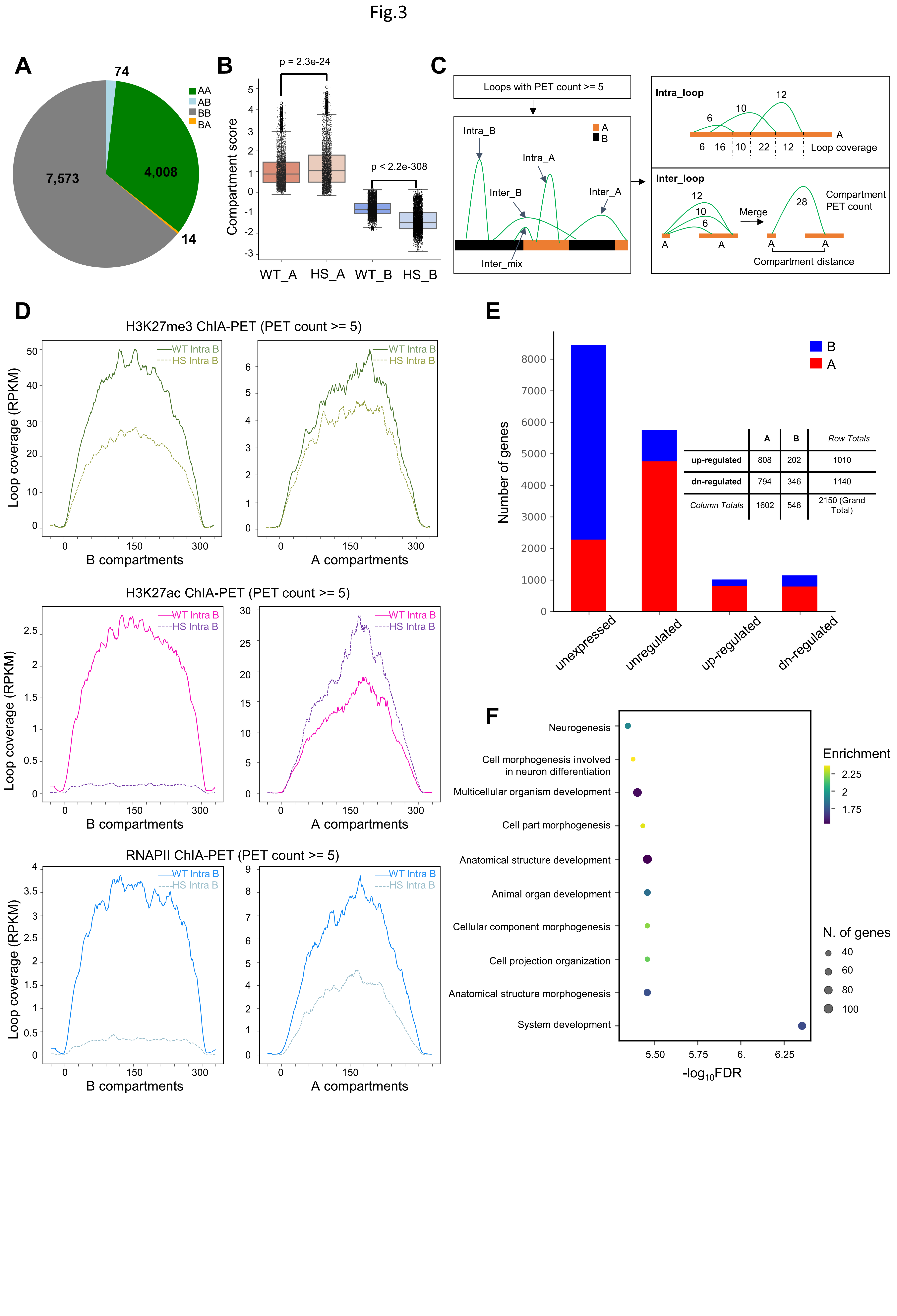
Fig.3 and Fig.S3 (Changes on intra-A induced by heat shock, along with gene regulation)
- After heat shock, while compartment intervals (Fig.3A) almost don’t change and compartment strength increases in both A/B compartments (Fig.3B).
- Compartment analysis: intra-A and inter-A (Fig.3C)
- Changes of intra-A (Fig.3D and Fig.S3A,B) and gene regulation (Fig.3E,F and Fig.S3C,D)
Fig3
FigS3
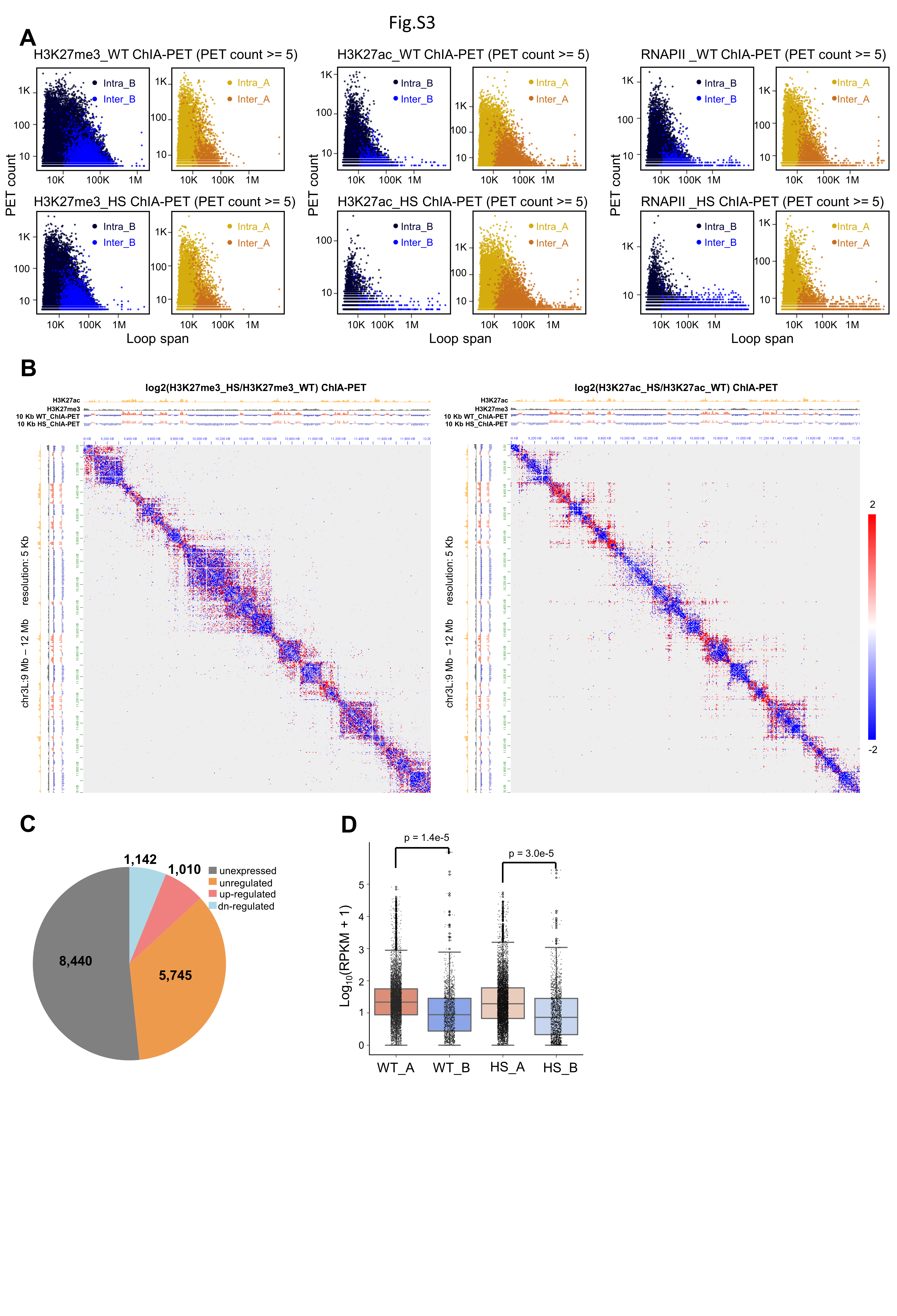
Fig.4 and Fig.S4 (Changes of inter-A and inter-B induced by heat shock, along with gene regulation)
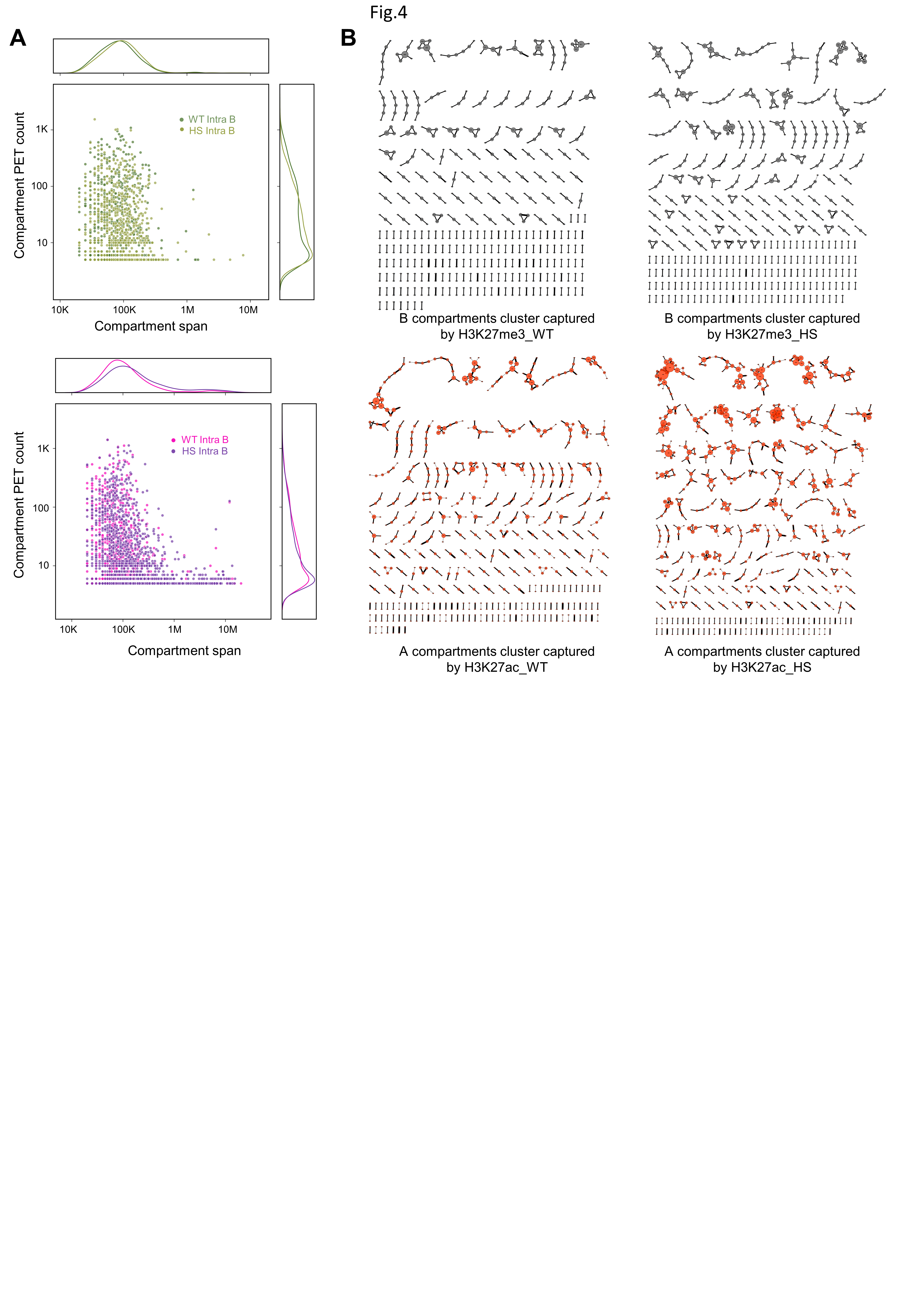
- After heat shock, A compartments in hubs become even closer or form new larger hubs, while adjacent B compartments have stronger interaction (Fig.4A,B and Fig.4SA,B,C,D)
- How changes of inter-A network and inter-B network relate to gene regulation. (still under exploration, and it can be solved.)
Fig4
FigS4
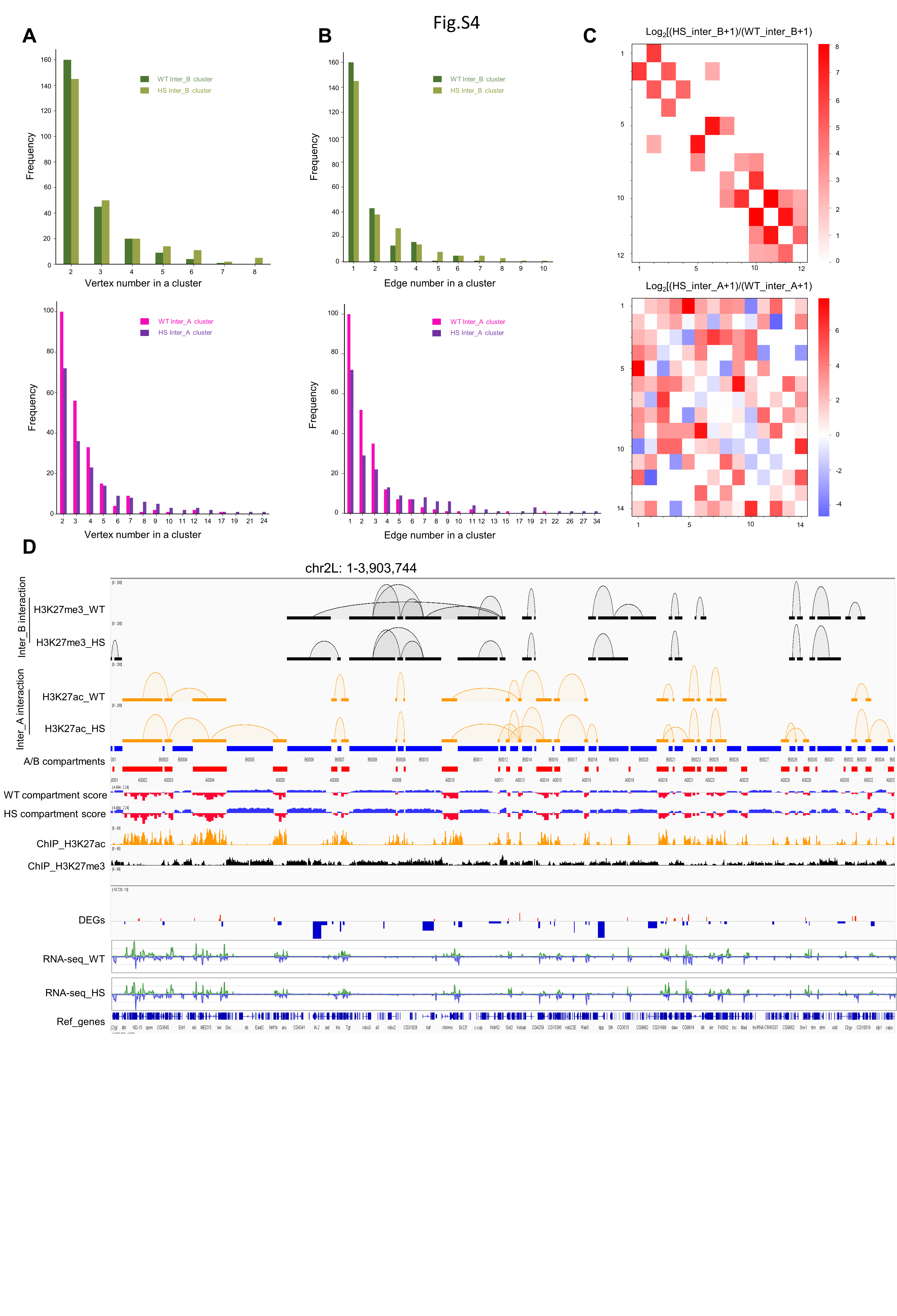
Fig.5 and Fig.S5 (Changes on TAD level, along with gene regulation)
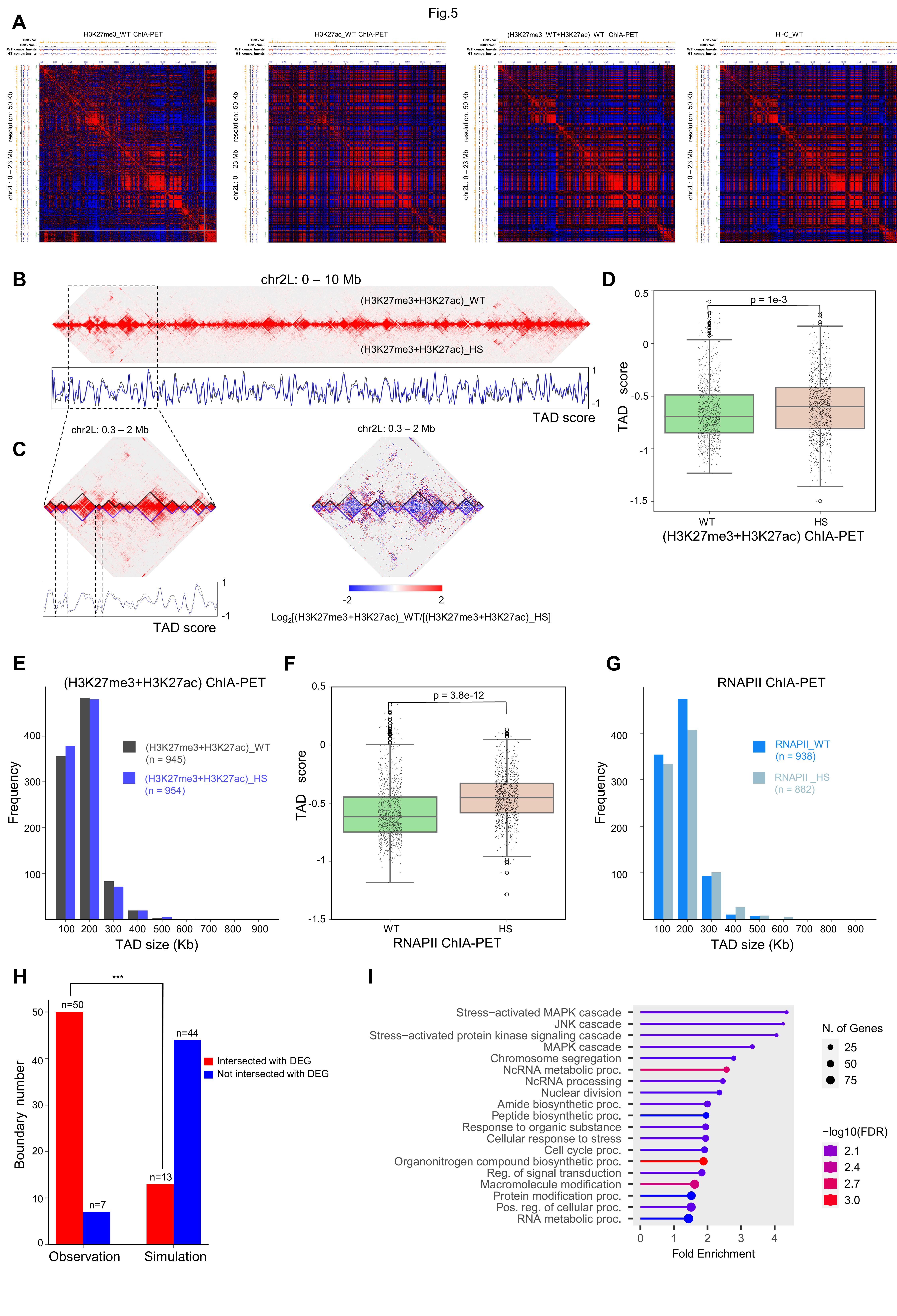
- H3K27ac_ChIA-PET + H3K27me3_ChIA-PET = Hi-C. (H3K27ac+H3K27me3)_ChIA-PET is used for TAD analysis. Changes of RNAP2_ChIA-PET correlate with gene regulation (Fig.5A).
- Changes of (H3K27ac+H3K27me3)_ChIA-PET (Fig.5B,C,D and Fig.S5B,D,F).
- Changes of RNAP2_ChIA-PET (Fig.5F,G and Fig.S5A,C,E,F), along with gene regulation (Fig.5H,I and Fig.S5G,H).
Fig5
FigS5
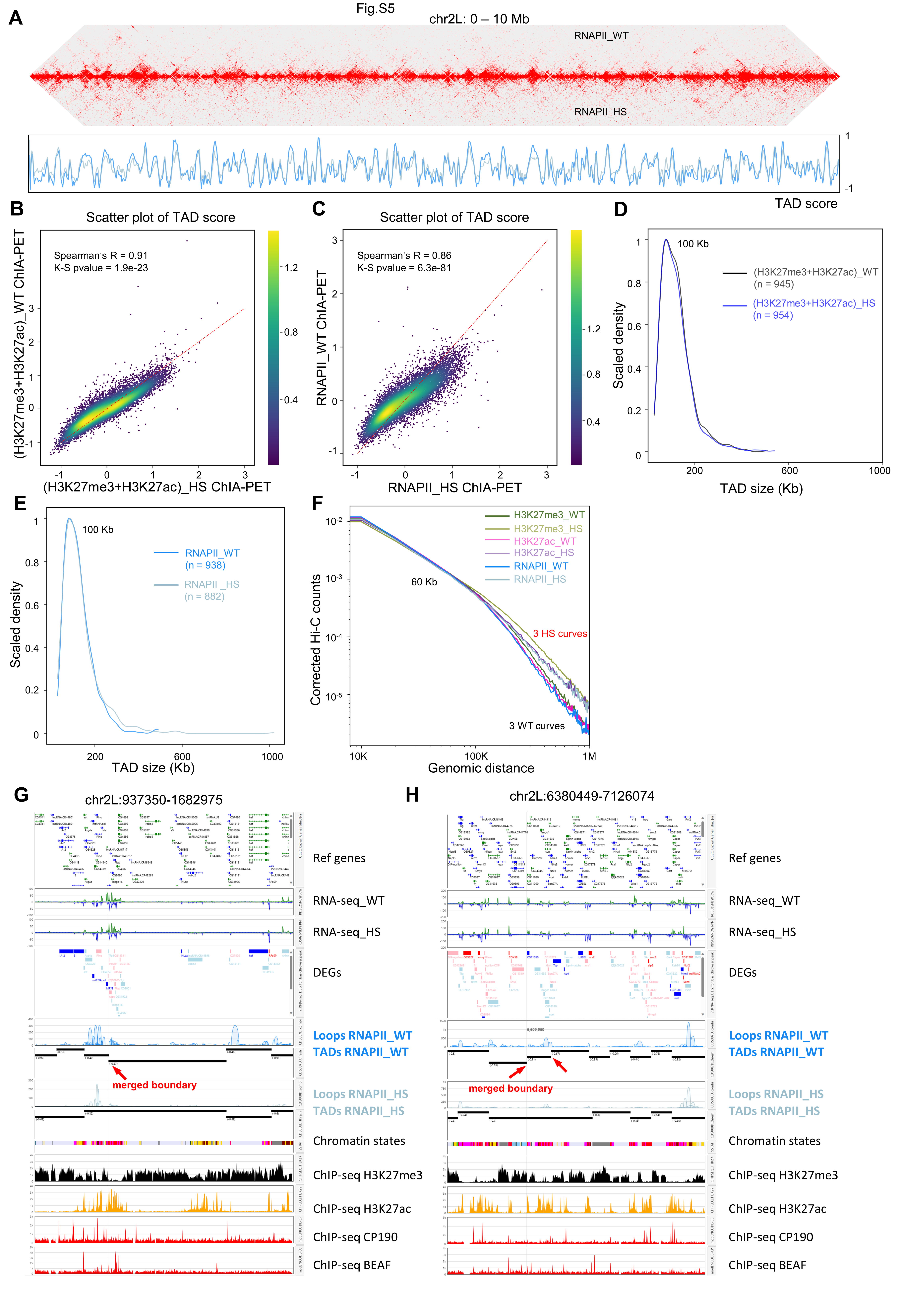
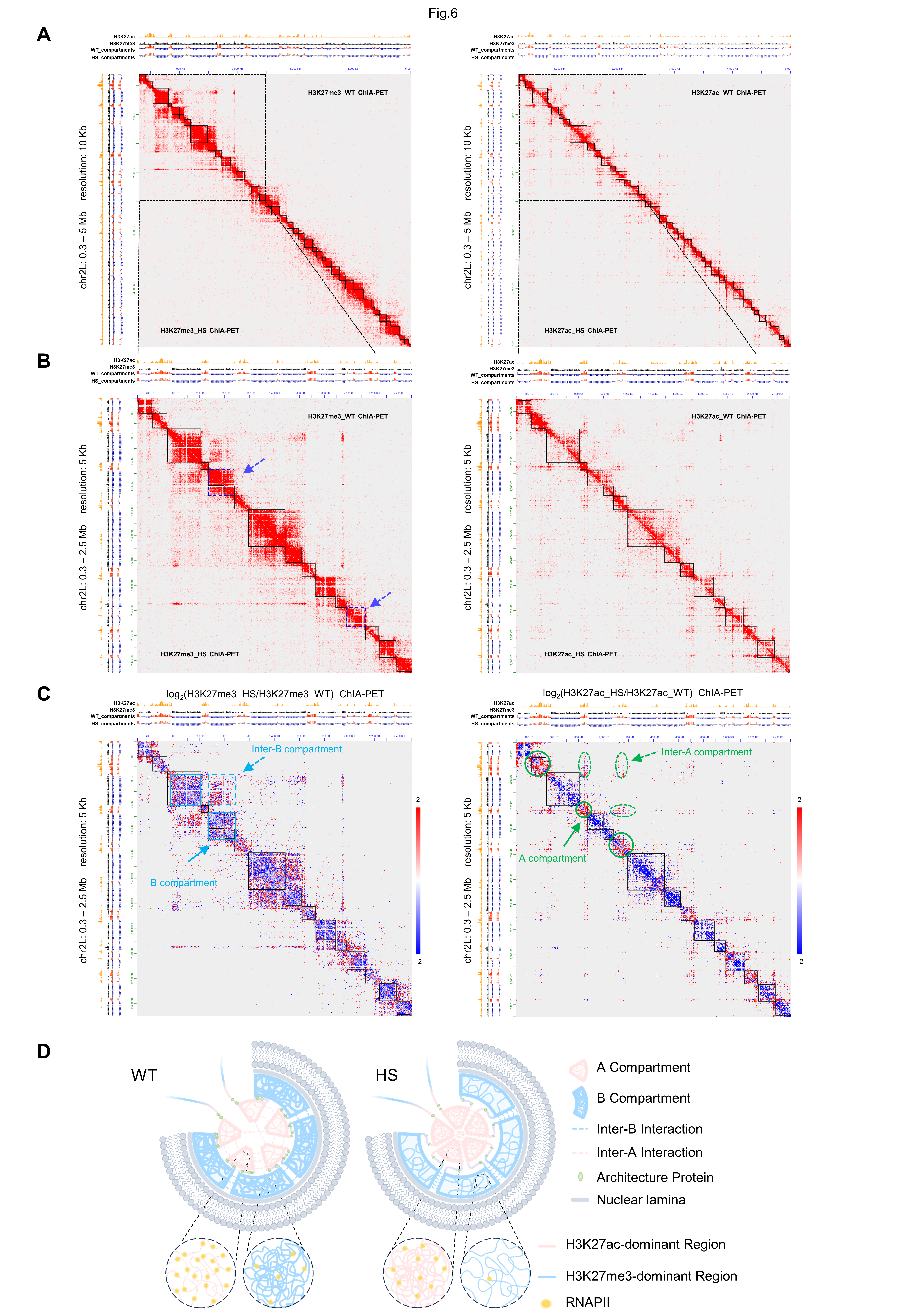
Fig.6 (Model of how A/B compartments are response to heat stress)
- The relationship of A/B compartments and TADs (Fig.6A,B.C)
- Model of how A/B compartments are response to heat stress (Fig.6D)
Fig6
Significance: Hi-C has been used to study how the 3D genome organization of drosophila responds to heat stress (Molecular cell 2015 and PNAS 2019). However H3K27ac and H3K27me3 are mixed in Hi-C, here we apply in situ ChIA-PET to enrich H3K27ac and H3K27me3 separately to better explore how active and inactive regions are functionally changed in 3D chromatin architecture in response to heat stress.
Similar papers:
- Zhu et al. A model of active transcription hubs that unifies the roles of active promoters and enhancers. NAR, 2021
- Liu et al. Prominent topologically associated domains differentiate global chromatin packing in rice from Arabidopsis. Nature Plants, 2017
- Dong et al. 3D Chromatin Architecture of Large Plant Genomes Determined by Local A/B Compartments. Molecular Plant, 2017
- Liang et al. Reorganization of the 3D chromatin architecture of rice genomes during heat stress. BMC biology, 2021